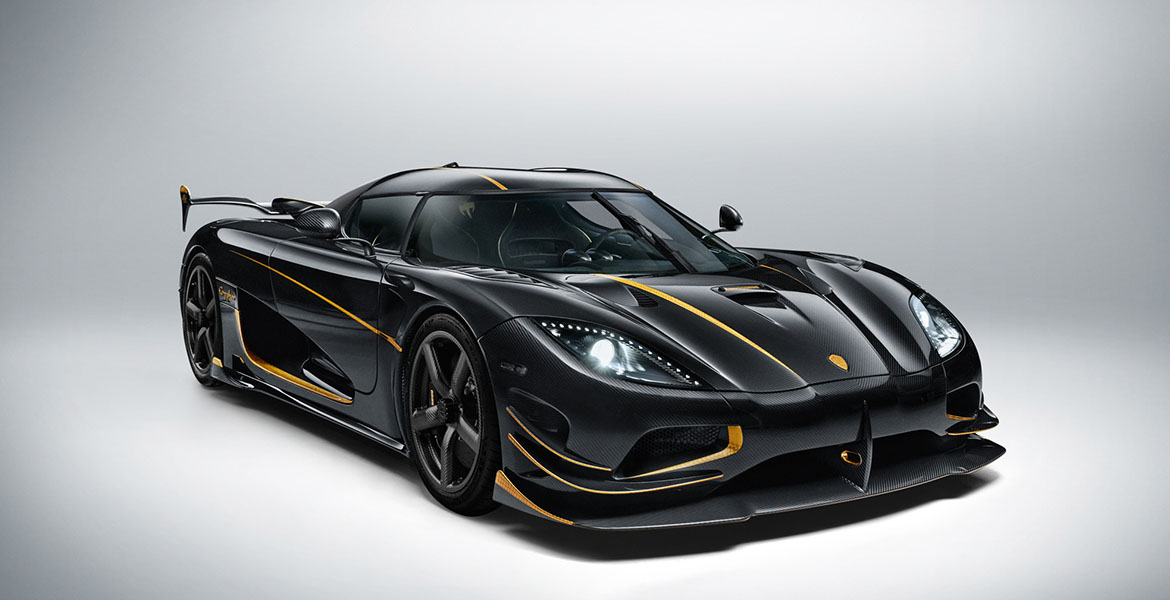
When in the market for a car, the first consideration is whether to buy new or used. Buying a brand-new vehicle certainly has its benefits. New cars have the very latest safety gear and engineering improvements, not to mention a bumper-to-bumper factory warranty. With a new car, you know what you're getting; you don't have to worry about potential service problems or concealed collision damage. Further, you can have your choice of color, trim line, and option level. And financing rates are typically lower than for a used vehicle.
The key drawback to buying a new car is rapid depreciation. A new car can shed half its value in its first two or three years on the road. If you finance the new car with a low down payment, you can easily find yourself "upside down" on the loan, where you owe more than the car is worth.
Used cars can be a welcome alternative. The used-car market is about three times the size of the new-car market, so there are plenty of cars from which to choose. One of the best strategies is to find a car you like that's only two to three years old. Such a car has already taken its biggest depreciation hit and should have the majority of its useful life ahead of it. Modern cars, if soundly maintained, can stay on the road 200,000 miles or longer. Rust isn't nearly as big a problem as it was years ago, and solid-state electronics have eliminated the need for frequent tune-ups. If you're looking at a used soft-top, you'll want to inspect the top carefully for rips, holes, and other damage. For retractable hardtops, check the operation of the top carefully, as the mechanisms are extraordinarily complex.
When Buying a Used Sports Car
When buying a used sports car, one must be extra vigilant, as these cars are often the subject of abuse that can lead to costly repairs down the road. Check carefully for signs of extreme wear, such as excessive wear to the clutch, brakes and tires (brand-new tires on one axle only may be an attempt to cover up abuse) or signs of collision damage repair. Many signs of mistreatment will not be readily apparent, so having the car inspected by a qualified mechanic is a smart investment of time and money.
Modifications such as power-enhancing computer chips, bolt-on superchargers or turbochargers, lowered suspension components, or different wheels and tires, all can enhance a car's performance if they are installed properly, but they can also cause big problems, particularly with emissions testing. Even if you plan to customize the car, it's always best to buy an unmodified example. (Leave the modified cars to the experienced mechanics.)
The key to selecting a good used car is to focus on reliability, even when a prospective automobile is still covered by its original factory warranty. Look for one that has done well in our Reliability judgments.
Consumer Reports' reliability scores are no guarantee, of course, but they do carry the weight of probability. If you shop for cars with top-notch reliability scores, the odds are on your side. At the same time, every used car is unique. A careful pre-purchase inspection remains a vital part of the process. If you do research and take care in the car selection, a used car can save you significant money in the long run.
Buying a New Car
Not all cars are created equal, and we have the data to prove it. Of course, numbers can tell a variety of tales and we understand every consumer has different priorities. To that end, we have compiled a series of best and worst car lists to highlight performance in a wide variety of categories. The lists linked below can be an excellent tool for filtering down your purchase considerations or for stocking up on vehicular trivia.
Overall test scores are based on more than 50 individual Consumer Reports tests and evaluations, and are presented on a 100-point scale.
The Advantages of Buying a New or Used Vehicle
There are a lot of questions involved in the process of buying a car, but the first, simplest one is probably the most important: Should you buy new or used? To help you choose, we’ve laid out the advantages of both below. Keep in mind that although there are more advantages listed on the new side, the pros in the used column are big ones and in many cases can be more to your advantage.
Advantages of Buying New
Made to Order — Chances are, you can spec a new car just the way you want it, or at least have the dealer search for one with the right combination of options and interior and exterior colors.
It’s Not Used — Well, duh. A new car hasn’t been in any accidents, hasn’t been mistreated by unknown evildoers, doesn’t smell funny, has seen no wear or tear, and comes with a clean history that includes only being driven off the line, onto a transporter, and around the dealer’s lot.
Warranty — Like the rest of it, the new car’s warranty is untouched. You can buy warranties for used cars or go the certified preowned route, but the best warranty you can get—without paying extra—will be the one that comes with a new car from the manufacturer.
Latest Gizmos — The newer the car, the more modern the geeky tech that’s packed inside. Multimedia and navigation interfaces are constantly evolving and improving, so if you have to have the latest in gadgets (and don’t want to add them yourself post-factory) the selection will be better in the new-car showroom.
Safety — As vehicle safety laws become ever more stringent, automakers are forced to change the way vehicles are built and the safety systems with which they are equipped. Some form of tire pressure monitoring is now mandatory on all vehicles sold in the U.S., and by 2012, stability control will be, too. Other technologies that are not mandated, like blind-spot monitoring systems, side curtain airbags, adaptive cruise control, and brake assist are becoming more prevalent on less expensive vehicles as their associated costs come down.
Higher Fuel Efficiency and Lower Emissions — Again, partly thanks to Big Brother, cars are largely getting more fuel efficient, even while simultaneously getting more powerful. The newest crop of diesels is cleaner than ever before, and choices in the hybrid segment are growing, too, if that’s your thing.
Financing — Banks offer lower financing rates on new vehicles because the vehicles are inherently worth more and have not already been hit by depreciation. Keep in mind that, when the lower APR still applies to a larger sum, your payments or total cost may still be higher. But if you plan to finance, check your deals before buying. The cheaper car might not turn out to be the better deal in the long run.
Maintenance — Some new cars, mainly those from luxury marques, include free scheduled maintenance for a certain amount of time or mileage. This built-in cost saving should be considered in the final price analysis if applicable.
Legwork — Once you’ve chosen a vehicle, or at least the brand you’re interested in, much of the new-car search can be offloaded on the salesperson, who can find the car you ask for. The same search in the used realm requires a lot more legwork on your part—hunting on the internet, visiting multiple private sellers, and driving from used lot to used lot.
Advantages of Buying Used
Price — Comparing apples to apples, a used car is going to be less expensive. The relative advantage of the used-car price can also allow a buyer to step up to a nicer model.
Depreciation — Cars lose value with each passing month and mile, but the steepest decline happens right away; some models can lose 40 percent or more of their value in the first year. With a used car, there’s no depreciation hit the second you roll off the lot. There’s also less mental depreciation, no need to worry about the first parking-lot ding or rock chip in the paint because chances are the car’s previous owner or owners took care of those for you.
Insurance Rates — Like financing, insurance rates will be affected by the age of a car, but in this case the used vehicle tends to be less expensive. A little bit of pre-purchase research will save you from insurance sticker shock, no matter which vehicle you choose.
Choice — Although you obviously can’t build a used car to order, maybe you want a model, option package, or even wheel design that’s no longer made. This wider selection can add to the length of the search, but perfection and satisfaction rarely come easily.