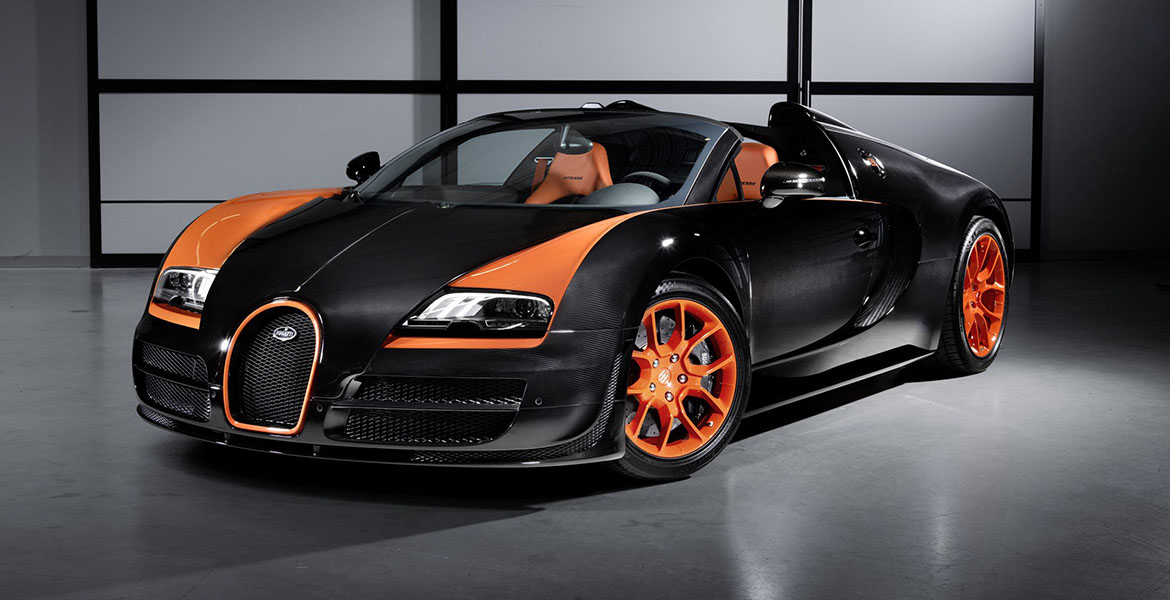
The sports car category ranges from models that merely have sporty styling or appearance packages to full-on performance-focused coupes, sedans, hatchbacks, and roadsters that can accelerate briskly and tackle corners with agility and sure-footed competence. Often, the high-performance quotient comes at the price of a hard, noisy ride and limited passenger or cargo space. Compromises are common, but these cars exist primarily to entertain the driver.
Enjoy the Driving Excitement in the Best Sports Cars
We test, evaluate, and compare the latest sports cars, so you can experience affordable performance.
Key Things to Consider
With a wide range of body styles, performance, and price, it can be tough to choose a sports car. Because many sports cars are not driven every day or very far, fuel economy is not a primary factor for many shoppers, though there are models that provide relatively good mileage; even muscle cars, defined by their large, powerful engines, are making notable gains. For a daily driver, you'll probably want to consider a sedan or coupe: a sedan for its four doors, or a coupe for sportier styling and performance-oriented model selection. But for a pure sports car, the type many owners reserve for sunny Saturdays, a small roadster, such as a BMW Z4, Mazda Miata, or Porsche Boxster, epitomizes the genre. Many would include coupes with a tiny rear seat, such as the Audi TT and Porsche 911, in that category, as well.
For any sports car you consider, it's important to check out the view. Coupe designs tend to severely restrict rear visibility, and other styling considerations could compromise the view to the sides or even straight ahead. If you plan to drive briskly on twisty roads, the ability to see other traffic or obstacles clearly is important.
Types of Sports Cars
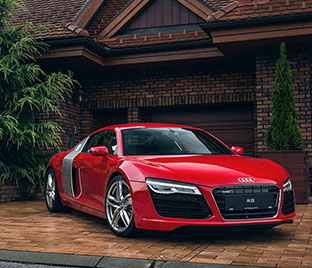
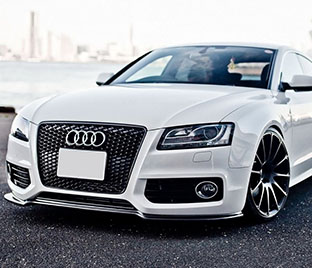
These are agile cars made for high-performance handling, often with powerful engines, strong brakes, and dressed-up exteriors. A major benefit to choosing a sports sedan is that the four-door configuration allows transport for four or five passengers and provides cargo space in the trunk. It is a wolf in sheep's clothing. BMW helped popularize the concept, but there are many appealing alternatives, from Audi, Cadillac, Infiniti, and Mercedes-Benz, to name a few.
Features of Sports Car
The powertrain (the combination of engine and transmission) is a major consideration with sporty cars, as power delivery is a big part of the fun-to-drive equation. Remember, however, that a sports car need not have a big engine to produce big fun: A small, light sports car such as the Ford Focus ST can provide similar acceleration from a modestly-sized engine as a larger, heavier car with a big V8.
New vs. Used Sports Cars
When in the market for a car, the first consideration is whether to buy new or used. Buying a brand-new vehicle certainly has its benefits. New cars have the very latest safety gear and engineering improvements, not to mention a bumper-to-bumper factory warranty. With a new car, you know what you're getting; you don't have to worry about potential service problems or concealed collision damage.