Sports Sedans
These are agile cars made for high-performance handling, often with powerful engines, strong brakes, and dressed-up exteriors. A major benefit to choosing a sports sedan is that the four-door configuration allows transport for four or five passengers and provides cargo space in the trunk. It is a wolf in sheep's clothing. BMW helped popularize the concept, but there are many appealing alternatives, from Audi, Cadillac, Infiniti, and Mercedes-Benz, to name a few. Sizes vary widely, from small models such as the Subaru WRX to larger cars such as the BMW M5, Cadillac CTS-V, and Chevrolet SS.
Roadsters
By definition, a roadster is a two-seat sports car with a removable, retractable, or convertible top. These are often highly entertaining to drive, but rife with compromises for daily and year-round use. Some convertibles have "2+2" seating, providing a back seat that at best is suited for occasional use by small children (and at worst is unfit for human occupancy).
Coupes
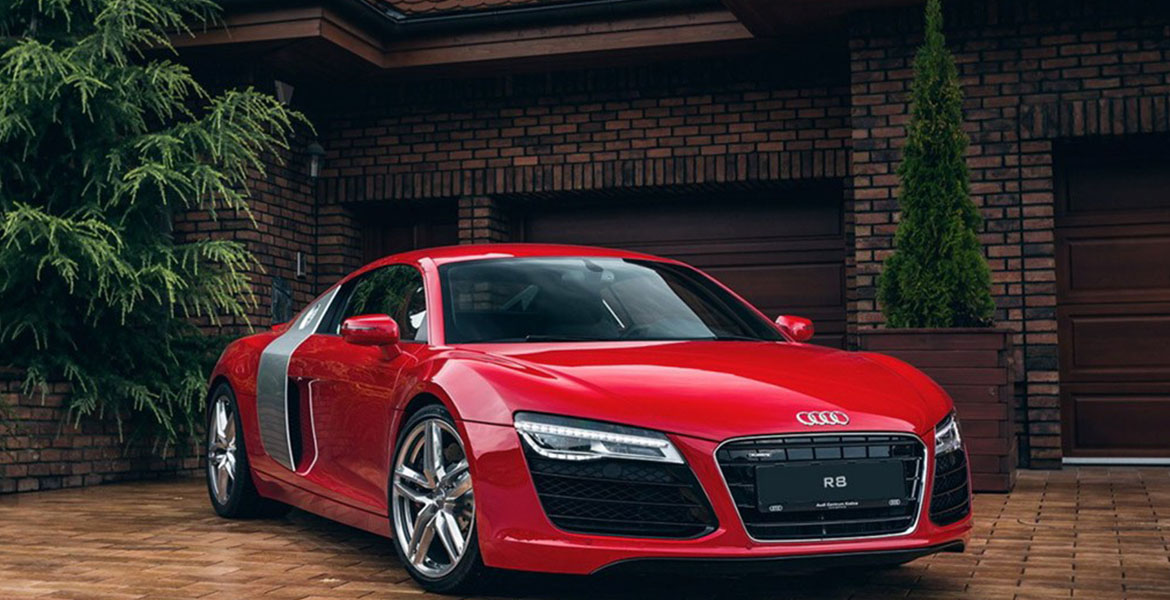
Two-door coupes often have swept-back rear styling and a lower ride height than some equivalent sedans. The coupe group ranges from fixed-roof two- and four-seaters to two-door versions of cars that also exist as sports sedans (like the Cadillac ATS and CTS coupes) or two-door convertibles. It includes such iconic cars as the Chevrolet Corvette and Ford Mustang. Due to short wheelbases and sweeping body lines, sporty coupes often provide compromised rear accommodations, if they have any at all.
Hatchbacks
The hatchback body design brings built-in practicality, with a large rear liftgate and folding rear seatback to provide cargo-toting versatility. Sporty hatchbacks are often on the less-expensive end of the spectrum. "Hot hatches" have long been a favorite in Europe, where the combination of flexibility, entertaining driving dynamics, and miserly fuel economy has special appeal. The Mini Cooper S and Volkswagen GTI are good examples.
SUV
Whether you're looking to tow your boat to the lake or take the kids to soccer practice, the right SUV can make all the difference. The latest models offer everything from backseat entertainment systems to the latest electronic safety features. To choose the right one, think about what you'll use it for most often and work backward from there. Traditional SUVs tend to favor attributes such as power for towing and ground clearance for tackling rough roads, while more modern crossover SUVs are designed to deliver a smooth ride and maximum interior space. We've highlighted a mix of both types of vehicles, so no matter what you're looking for, there's an SUV for you on the list.
Luxury
Luxury vehicles are more popular than ever before. Credit low lease deals, changing buying habits or an increase in choice, but it has never been easier to enjoy a higher echelon of automobile. Indeed, virtually every body style and vehicle type is available with a luxury badge — and those that aren't are still typically available with the vast majority of luxury features. However, what should really signify a great luxury vehicle is what isn't obvious by looking at a spec sheet or a list of features. It's characteristics such as build quality, design, ride comfort, sharp handling, performance, engineering sophistication and the execution of those features. The vehicles we recommend below excel in those areas.
Crossover
The terms "crossover" and "SUV" are often used interchangeably to refer to higher-riding vehicles with hatchback-style cargo areas and available four-wheel or all-wheel drive. In many ways, "crossover" is used as an adjective to describe a type of SUV. However, by traditional definitions, an SUV uses body-on-frame construction like a pickup, and a crossover features unibody construction like a car. As a result, a crossover sacrifices towing and hauling capability for greater interior space and less weight, which in turn benefits fuel economy and agility. Here are our top crossover choices.
Minivan
Minivans may not be as cool as SUVs, but when it comes to utility and practicality, there is nothing on four wheels that can beat them. Whether you've got a big family, a big car pool or a big addiction to antiques, a minivan will accommodate more stuff and more people (and in more comfort) than any SUV. But there's more to a minivan than interior space. Sliding doors, a low step-in height and an abundance of innovative features make these vehicles exceptionally family-friendly. They also tend to get better fuel economy than full-size SUVs, so there are many reasons to give these people haulers a serious look.
Crossover
The terms "crossover" and "SUV" are often used interchangeably to refer to higher-riding vehicles with hatchback-style cargo areas and available four-wheel or all-wheel drive. In many ways, "crossover" is used as an adjective to describe a type of SUV. However, by traditional definitions, an SUV uses body-on-frame construction like a pickup, and a crossover features unibody construction like a car. As a result, a crossover sacrifices towing and hauling capability for greater interior space and less weight, which in turn benefits fuel economy and agility. Here are our top crossover choices.